

Chronic Obstructive Pulmonary Disease
Chronic obstructive pulmonary disease (COPD) is the name for a group of lung conditions that cause breathing difficulties.
It includes:
emphysema – damage to the air sacs in the lungs
chronic bronchitis – long-term inflammation of the airways
COPD is a common condition that mainly affects middle-aged or older adults who smoke. Many people do not realise they have it. The breathing problems tend to get gradually worse over time and can limit your normal activities, although treatment can help keep the condition under control.
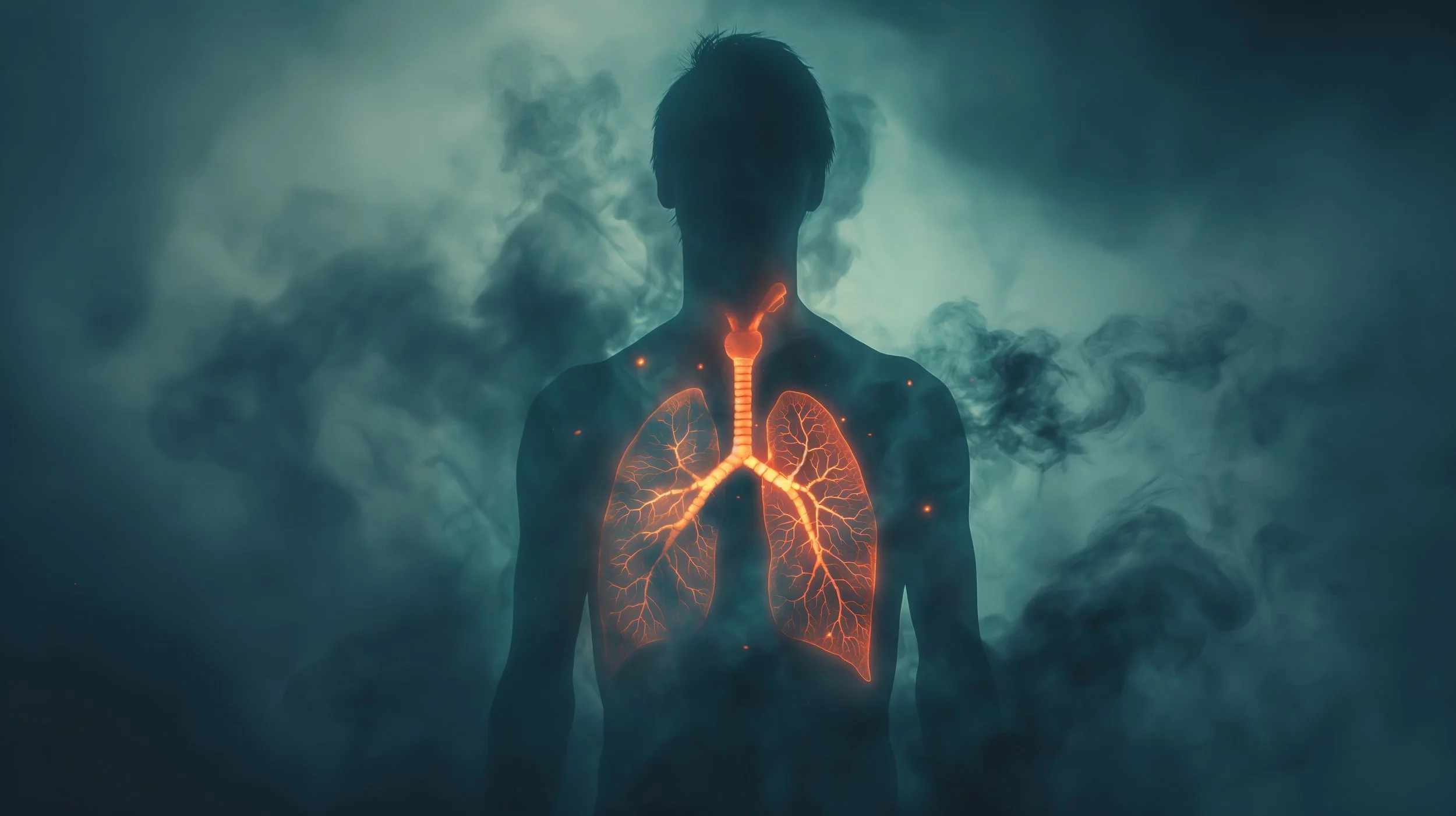
Symptoms of COPD
Chronic obstructive pulmonary disease (COPD) makes breathing increasingly more difficult. But it develops slowly over many years and you may not be aware you have it at first. Most people with COPD do not have any noticeable symptoms until they reach their late 40s or 50s.
Main symptoms include:

persistent chesty cough

frequent chest infections

shortness of breath

persistent wheezing
The symptoms will usually get gradually worse over time and make daily activities increasingly difficult, although treatment can help slow the progression.
Sometimes there may be periods when your symptoms get suddenly worse – known as a exacerbation. It's common to have a few flare-ups a year, particularly during the winter.
Virtue can help manage the onset of exacerbations or manage their severity via our Elective Remote Monitoring service, via which we can detect early signs and adjust treatment and advice appropriately. In the event of acute exacerbations we can also offer onboarding to our Acute Virtual Ward to prevent hospitalisation via provision of hospital-level acute care from the comfort of your home.
Less common symptoms of COPD include:

tiredness
coughing up blood
chest pain

swollen ankles

weight loss
These additional symptoms only tend to happen when COPD reaches an advanced stage.
When to get medical advice
-
Arrange a consultation with a Virtue Consultant if you have persistent symptoms of COPD
-
If they're caused by COPD, it's best to start treatment as soon as possible, before your lungs become significantly damaged.
-
There are several conditions that cause similar symptoms, such as asthma, bronchiectasis, anaemia and heart failure. A simple breathing test called Spirometry can help determine if you have COPD.
-
The Virtue Consultant will ask about your symptoms and whether you smoke or have smoked in the past. They can organise a breathing test to help diagnose COPD and rule out other lung conditions, such as asthma.
While there's currently no cure for COPD, the sooner treatment begins, the less chance there is of severe lung damage.
Causes of COPD
COPD happens when the lungs become inflamed, damaged and narrowed. The main cause is smoking, although the condition can sometimes affect people who have never smoked.
The likelihood of developing COPD increases the more you smoke and the longer you've smoked.
Some cases of COPD are caused by long-term exposure to harmful fumes or dust. Others are the result of a rare genetic problem that makes the lungs more vulnerable to damage.
Find out more about the causes of COPD.


Treatments of COPD
There's currently no cure for chronic obstructive pulmonary disease (COPD), but treatment and monitoring can help slow the progression of the condition and control the symptoms.
Treatments include:
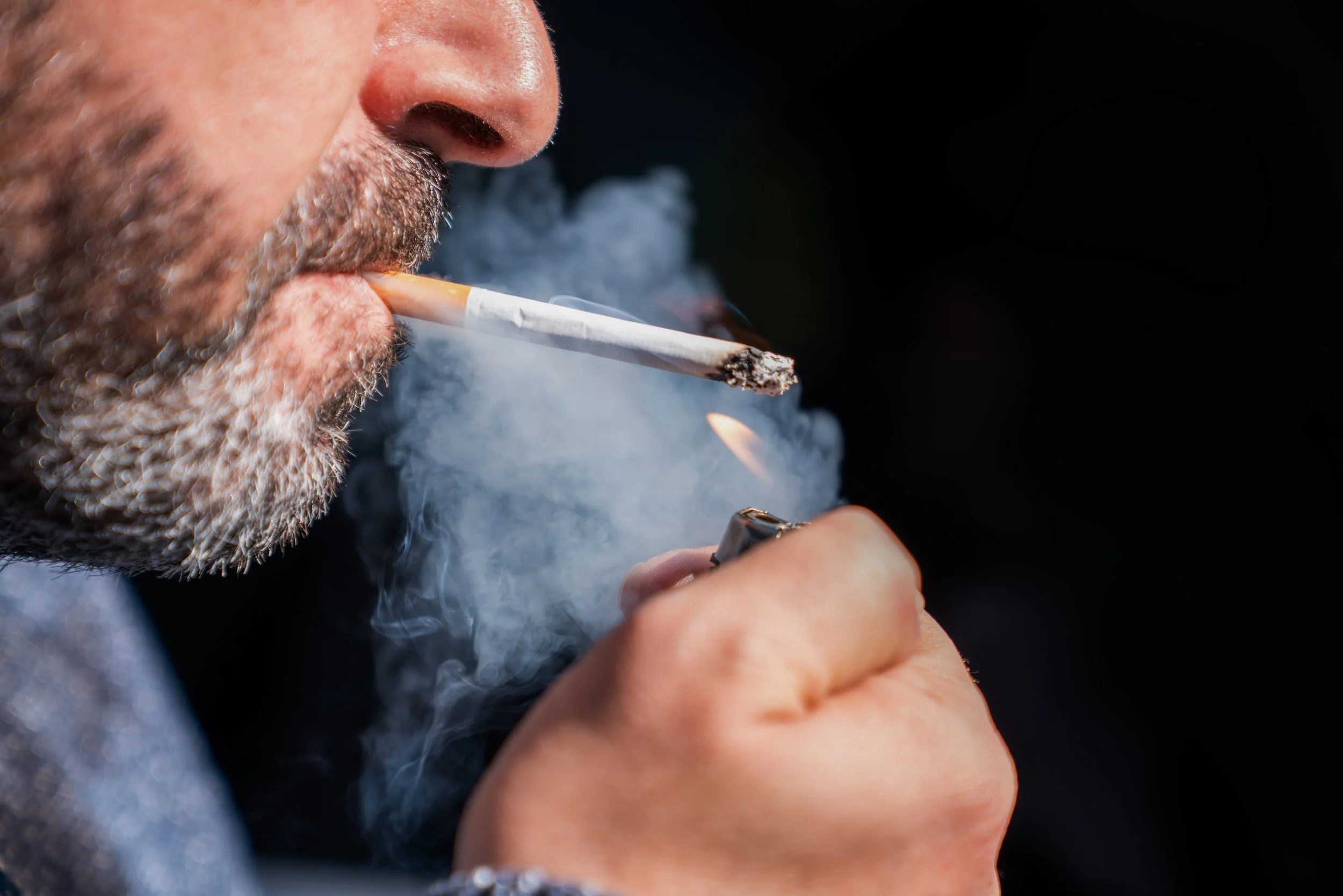
stopping smoking – if you have COPD and you smoke, this is the most important thing you can do
inhalers and tablets – to help make breathing easier
pulmonary rehabilitation – a specialised programme of exercise and education
surgery or a lung transplant – although this is only an option for a very small number of people
Our Virtue Consultants can discuss the various treatment options with you.
1. Stop Smoking
If you smoke, stopping is the most effective way to prevent COPD getting worse.
Although any damage done to your lungs and airways cannot be reversed, giving up smoking can help prevent further damage.
This may be all the treatment that's needed in the early stages of COPD, but it's never too late to stop – even people with more advanced COPD will benefit from quitting.
If you think you need help to stop smoking, visit Quit smoking for free advice and support. You may also want to talk to a GP about the stop smoking treatments available to you. Find out more about stop smoking support or find a stop smoking service near you.

2. Inhalers
-
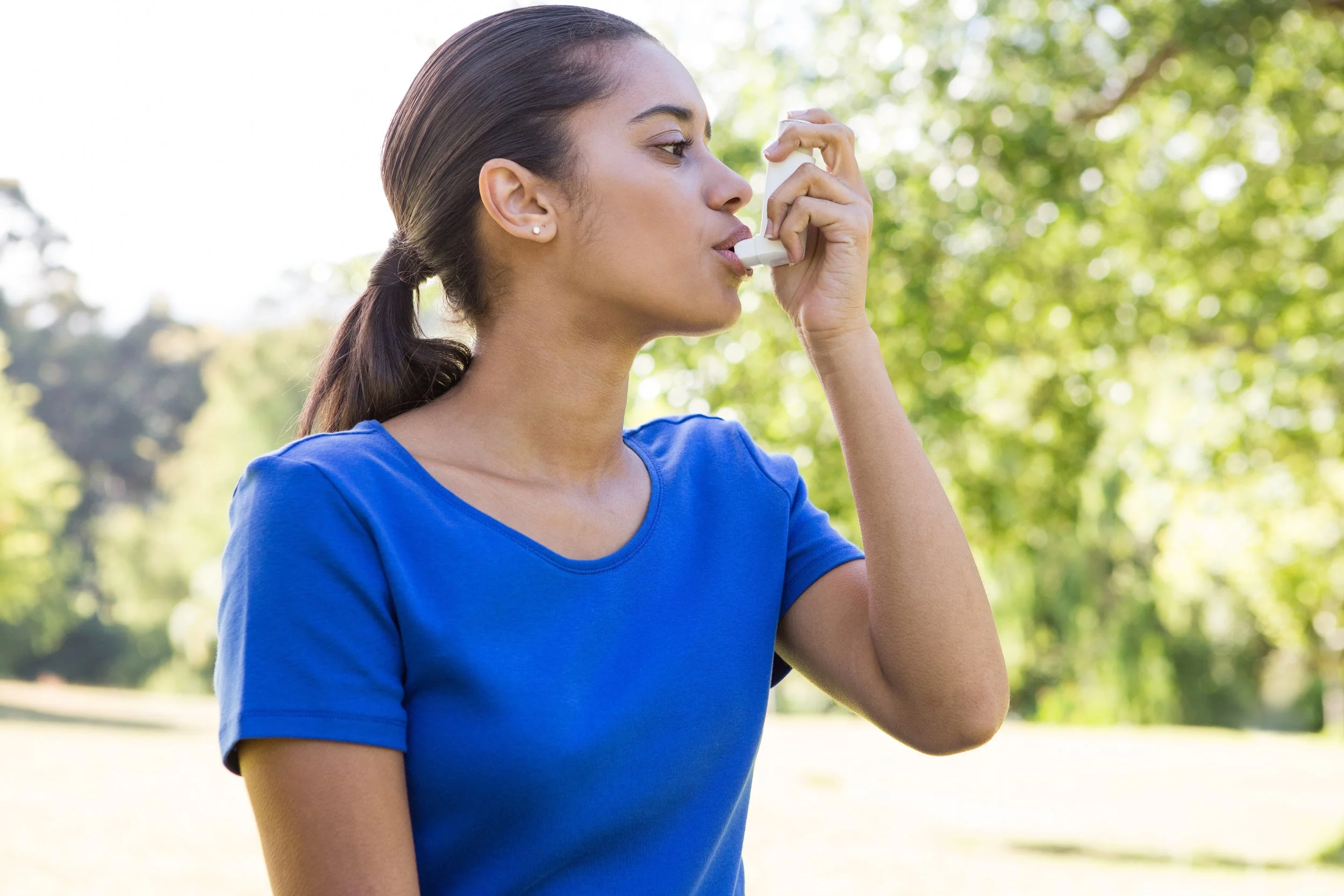
For most people with COPD, short-acting bronchodilator inhalers are the first treatment used.
Bronchodilators are medicines that make breathing easier by relaxing and widening your airways.
There are 2 types of short-acting bronchodilator inhaler:
beta-2 agonist inhalers – such as salbutamol and terbutaline
antimuscarinic inhalers – such as ipratropium
Short-acting inhalers should be used when you feel breathless, up to a maximum of 4 times a day.
-
If you experience symptoms regularly or have flare-ups (exacerbations) despite using short-acting bronchodilators, a long-acting bronchodilator inhaler may be recommended.
These work in a similar way to short-acting bronchodilators, but each dose lasts for at least 12 hours, so they only need to be used once or twice a day.
There are 2 types of long-acting bronchodilator inhaler:
beta-2 agonist inhalers – such as salmeterol, formoterol and indacaterol
antimuscarinic inhalers – such as tiotropium, glycopyronium and aclidinium
Some new inhalers contain a combination of a long-acting beta-2 agonist and antimuscarinic.
-
If you're still becoming breathless when using a long-acting inhaler, or you have frequent flare-ups (exacerbations), our Virtue Consultants may suggest including a steroid inhaler as part of your treatment.
Steroid inhalers contain corticosteroid medicines, which can help to reduce the inflammation in your airways.
Steroid inhalers are normally prescribed as part of a combination inhaler that also includes a long-acting medicine. Speak to a Virtue Consultant about obtaining a Steroid Inhaler.
3. Tablets
If your symptoms are not controlled with inhalers, a doctor may recommend taking tablets or capsules as well.
-
Theophylline is a type of bronchodilator. It's unclear exactly how theophylline works, but it seems to reduce swelling (inflammation) in the airways and relax the muscles lining them. Theophylline comes as tablets or capsules and is usually taken twice a day. You may need to have regular blood tests during treatment to check the level of medicine in your blood. This will help a doctor work out the best dose to control your symptoms while reducing the risk of side effects.
Possible side effects include:
feeling and being sick
headaches
difficulty sleeping (insomnia)
noticeable pounding, fluttering or irregular heartbeats (palpitations)
Sometimes a similar medicine called aminophylline is also used.
-
If you have a persistent chesty cough with lots of thick phlegm, the doctor may recommend taking a mucolytic medicine called carbocisteine. Mucolytic medicines make the phlegm in your throat thinner and easier to cough up.
Carbocisteine comes as tablets or capsules and is usually taken 3 or 4 times a day. If carbocisteine does not help your symptoms, or you cannot take it for medical reasons, another mucolytic medicine called acetylcysteine is available. This comes as a powder that you mix with water. Acetylcysteine powder has an unpleasant smell, like rotten eggs, but this smell should go away once you mix it with the water.
-
If you have a particularly bad flare-up, you may be prescribed a short course of steroid tablets to reduce the inflammation in your airways. A 5-day course of treatment is usually recommended, as long-term use of steroid tablets can cause troublesome side effects such as:
weight gain
mood swings
weakened bones (osteoporosis)
Your doctor may give you a supply of steroid tablets to keep at home to take as soon as you experience a bad flare-up. Longer courses of steroid tablets must be prescribed by a COPD specialist. You'll be given the lowest effective dose and monitored closely for side effects.
-
Your doctor may prescribe a short course of antibiotics if you have signs of a chest infection, such as:
becoming more breathless
coughing more
noticing a change in the colour (such as becoming brown, green or yellow) and/or consistency of your phlegm (such as becoming thicker)
Sometimes you may be given a course of antibiotics to keep at home and take as soon as you experience symptoms of an infection.

4. Pulmonary rehabilitation
Pulmonary rehabilitation is a specialised programme of exercise and education designed to help people with lung problems such as COPD. It can help improve how much exercise you're able to do before you feel out of breath, as well as your symptoms, self-confidence and emotional wellbeing. Pulmonary rehabilitation programmes usually involve 2 or more group sessions a week for at least 6 weeks.
A typical programme includes:
physical exercise training tailored to your needs and ability – such as walking, cycling and strength exercises
education about your condition for you and your family
dietary advice
psychological and emotional support
The programmes are provided by a number of different healthcare professionals, including physiotherapists, nurse specialists and dietitians. The British Lung Foundation has more information about pulmonary rehabilitation.
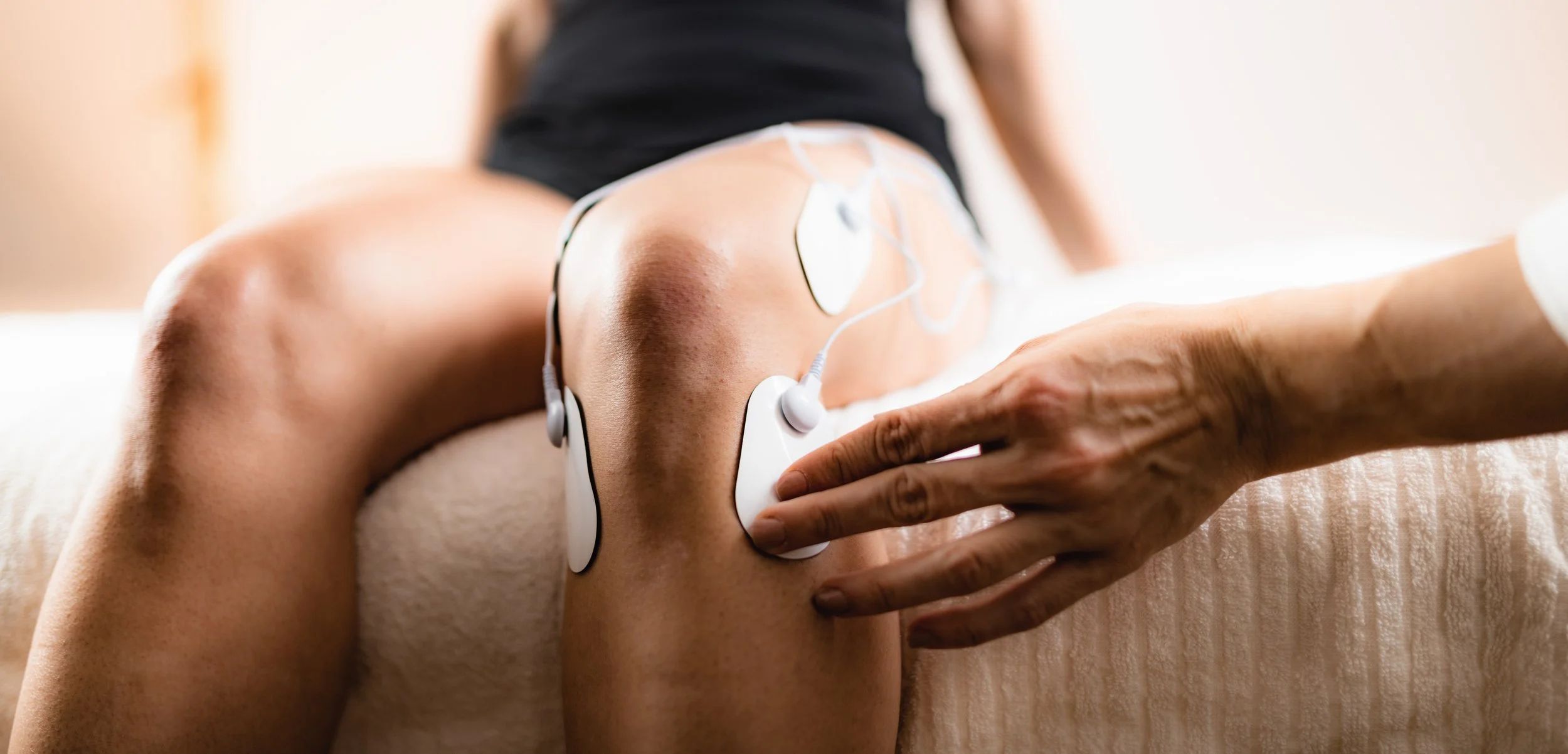
5. Improving muscle strength
If you are having a bad flare-up and are unable to exercise, you may be offered electrical stimulation to make your muscles stronger.
This is where electrodes are placed on your skin and small electrical impulses are sent to weak muscles, usually in your arms or legs.

6. Other treatments
-
Nebulised medicine may be used in severe cases of COPD if inhalers have not worked. This is where a machine is used to turn liquid medicine into a fine mist that you breathe in through a mouthpiece or a face mask. It enables a large dose of medicine to be taken in one go. You'll usually be given a nebuliser device to use at home after being shown how to use it.
-
Roflumilast is a new medicine that can be used to treat flare-ups. It is recommended for people whose symptoms have suddenly become worse at least 2 times over the past 12 months, and who are already using inhalers. Roflumilast comes as tablets and the medicine helps reduce inflammation inside the lungs and airways.
Side effects of roflumilast include:
feeling and being sick
diarrhoea
reduced appetite
weight loss
headache
These work in a similar way to short-acting bronchodilators, but each dose lasts for at least 12 hours, so they only need to be used once or twice a day.
There are 2 types of long-acting bronchodilator inhaler:
beta-2 agonist inhalers – such as salmeterol, formoterol and indacaterol
antimuscarinic inhalers – such as tiotropium, glycopyronium and aclidinium
Some new inhalers contain a combination of a long-acting beta-2 agonist and antimuscarinic.
-
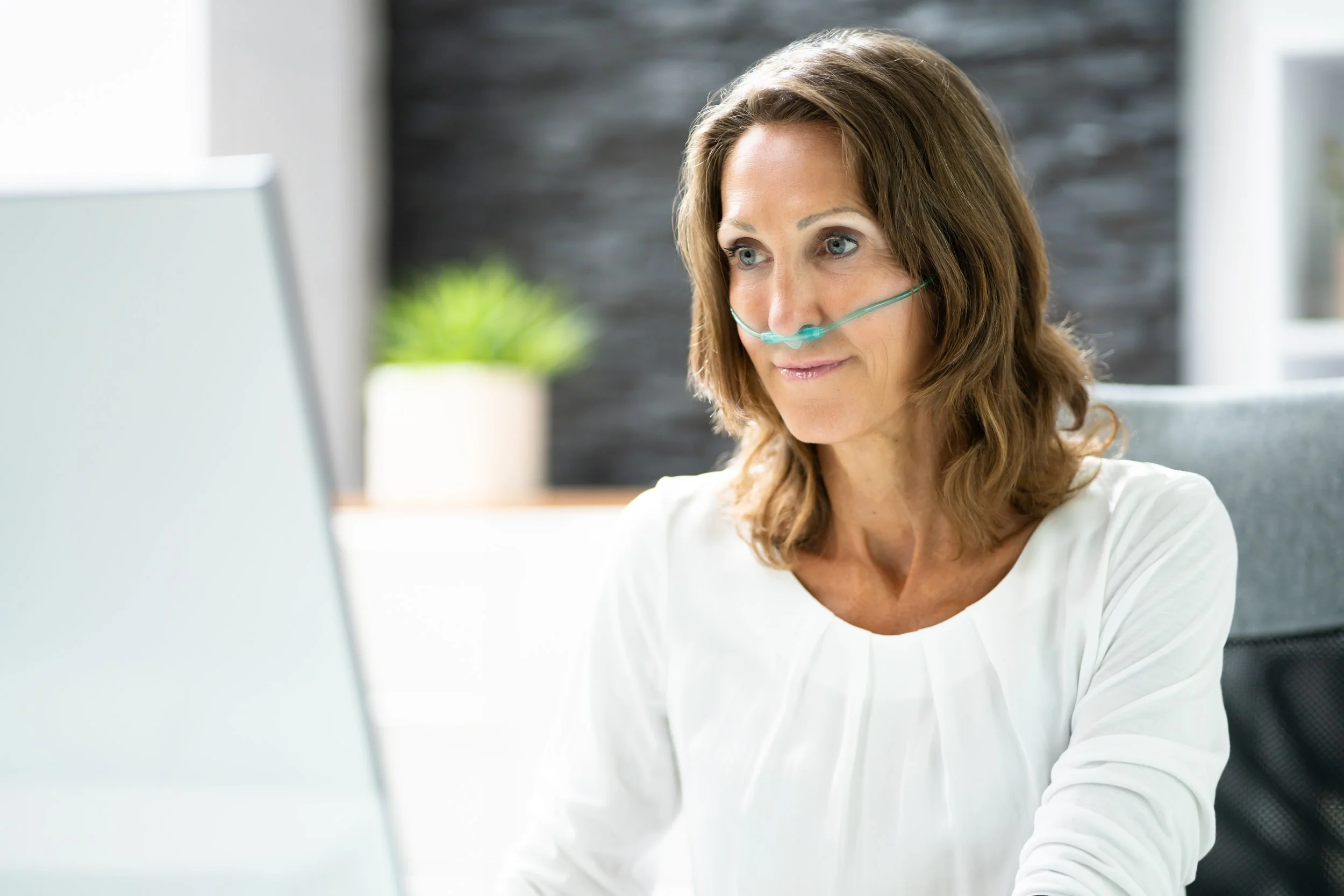
If COPD causes a low level of oxygen in your blood, you may be advised to have oxygen at home through nasal tubes or a mask. This can help stop the level of oxygen in your blood becoming dangerously low, although it's not a treatment for the main symptoms of COPD, such as breathlessness.
Long-term oxygen treatment should be used for at least 15 hours a day.
The tubes from the machine are long, so you will be able to move around your home while you're connected. Portable oxygen tanks are available if you need to use oxygen away from home.
Do not smoke when using oxygen. The increased level of oxygen is highly flammable and a lit cigarette could cause a fire or explosion.
Find out more about home oxygen therapy from a Virtue Consultant.
Steroid inhalers contain corticosteroid medicines, which can help to reduce the inflammation in your airways.
Steroid inhalers are normally prescribed as part of a combination inhaler that also includes a long-acting medicine. Speak to a Virtue Consultant about obtaining a Steroid Inhaler.
-
Some people with COPD will benefit from ambulatory oxygen, which is oxygen you use when you walk or are active in other ways. If your blood oxygen levels are normal while you're resting but fall when you exercise, you may be able to have ambulatory oxygen therapy rather than long-term oxygen therapy.
-
If you're taken to hospital because of a bad flare-up, you may have a treatment called non-invasive ventilation (NIV). This is where a portable machine connected to a mask that covers your nose or face is used to support your lungs and make breathing easier. Virtue can also provide NIV from the comfort of your home as an alternative to being admitted to hospital.
7. Surgery
Surgery is usually only suitable for a small number of people with severe COPD whose symptoms are not controlled with medicine.
There are 3 main operations that can be done:
bullectomy – an operation to remove a pocket of air from one of the lungs, allowing the lungs to work better and make breathing more comfortable

lung volume reduction surgery – an operation to remove a badly damaged section of lung to allow the healthier parts to work better and make breathing more comfortable
lung transplant – an operation to remove and replace a damaged lung with a healthy lung from a donor
These are major operations done under general anaesthetic, where you're asleep, and involve significant risks.
Arrange a consultation to find out whether surgery is an option for you, speak to them about what the procedure involves and what the benefits and risks are.

Outlook
The outlook for COPD varies from person to person. The condition cannot be cured or reversed, but for many people, treatment can help keep it under control so it does not severely limit their daily activities.
But in some people, COPD may continue to get worse despite treatment, eventually having a significant impact on their quality of life and leading to life-threatening problems.

The Home Hospital offer a range of pioneering Elective Remote Monitoring services that can improve the diagnosis, treatment and management of COPD. These services can also detect early signs of COPD exacerbations, enabling early intervention and treatment. In a lot of cases, this early intervention can avoid the onset of exacerbations, or reduce its severity considerably.
COPD is largely a preventable condition. You can significantly reduce your chances of developing it if you avoid smoking.
If you already smoke, stopping can help prevent further damage to your lungs before it starts to cause troublesome symptoms.
If you think you need help to stop smoking, visit Quit smoking for free advice and support. You may also want to talk to a Virtue Consultant about the stop smoking treatments available.
Prevention
Prevention is known as the best cure.